Assetz Codename Paradise
Off Hennur Road, Bangalore
4 BHK Duplex Villaments
 Land Area: 8.2 Acres Possession: Dec, 2031
Request Call Back
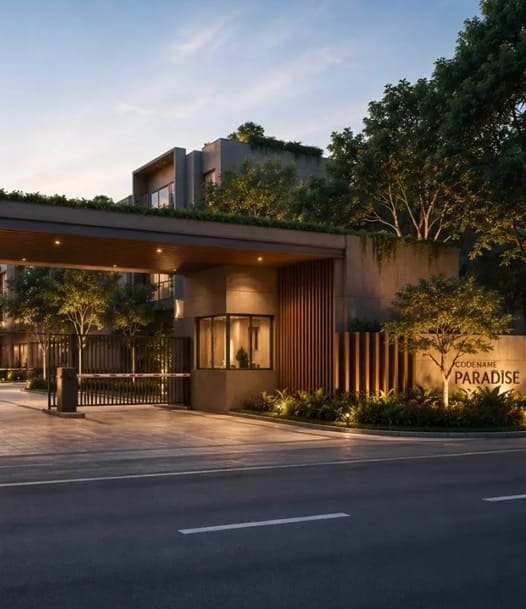
ABOUT US
- At Off Hennur Road, Bangalore
- 4 BHK Duplex Villaments
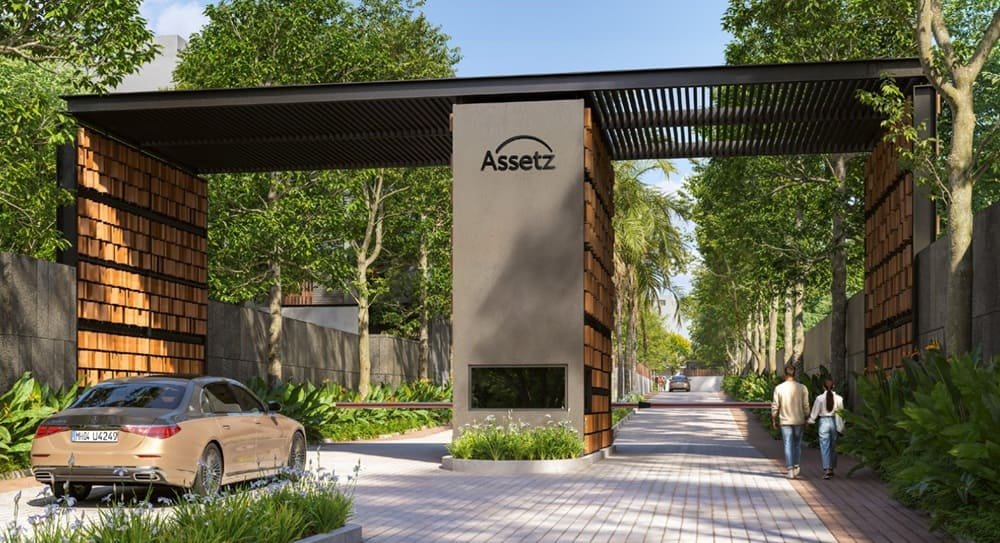
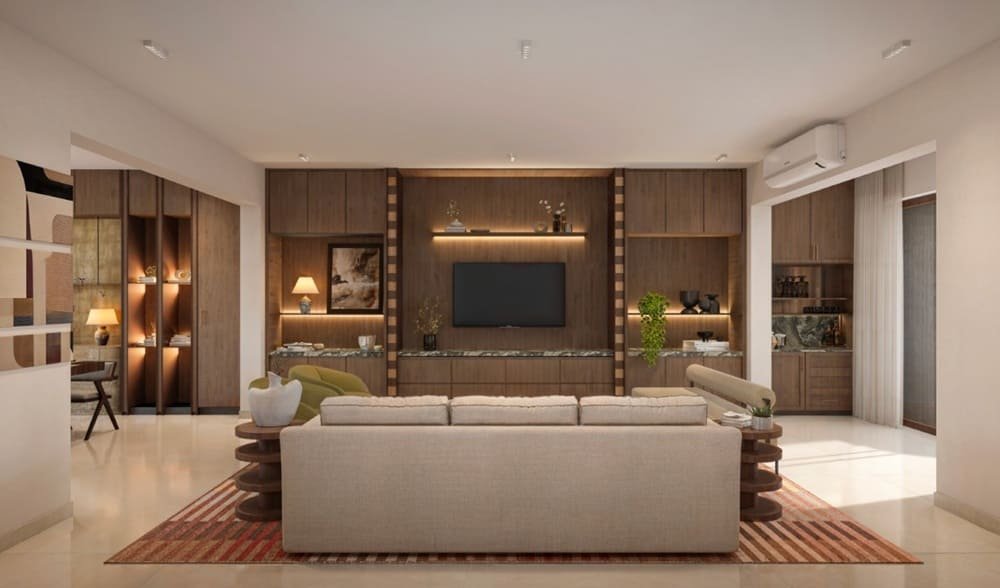
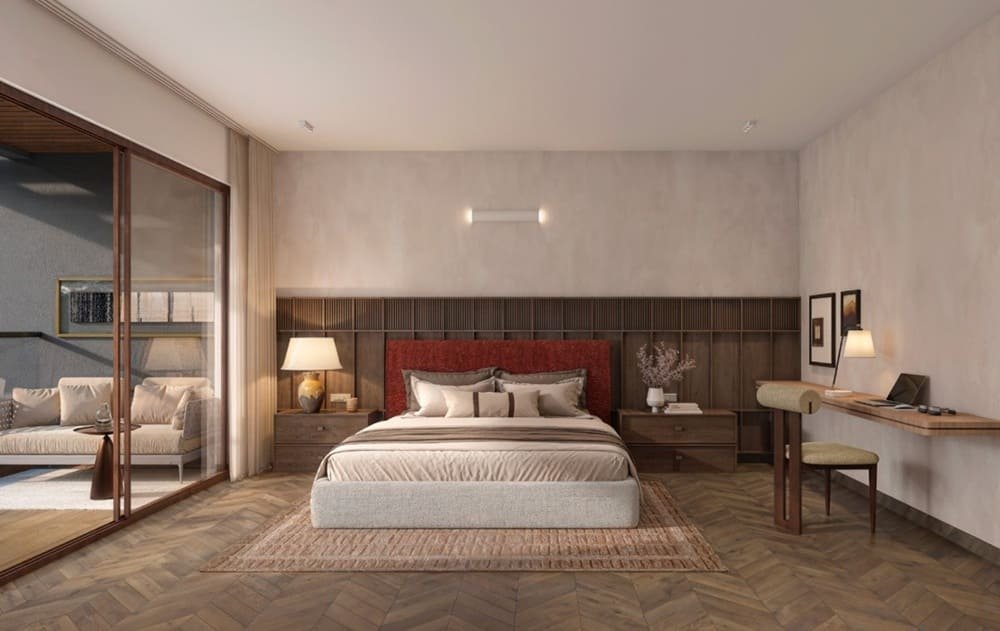
Assetz Codename Paradise in Chikkagubbi, Hennur Road, Bangalore is a residential project which provides 4 BHK duplex villas for its buyers who are searching for spacious villas in a well planned residential community.
The project is spread across 8.2 acres and comprises 188 residences, with homes ranging from 3,259 sq. ft. to 3,944 sq. ft. The development is planned in a B+G+4 structure, with 57% open space creating room for landscaped areas and community spaces.
KNOW MORE
The centerpiece of the development is an approximately 18,000 sq. ft. clubhouse, which is enhanced by 30+ world-class amenities. Two private car parking spaces also have been allocated for each residence. Assetz Codename Paradise is targeted at customers who are looking to purchase a large 4 BHK home in North Bangalore with possession from December 2031 onwards.
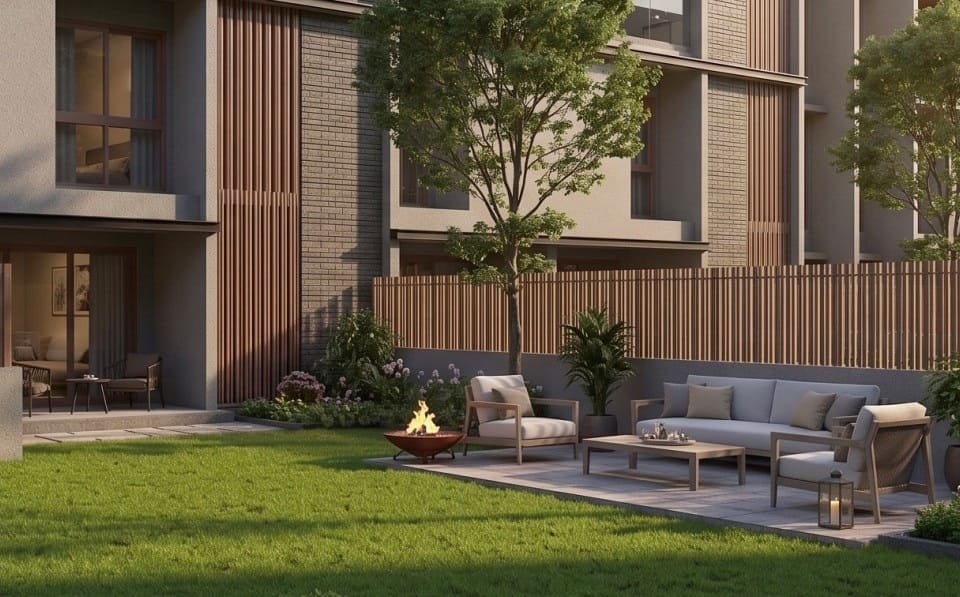
The houses on Assetz Codename Paradise will be designed as 4 BHK duplex villaments, which will provide two storey living quarters.
The duplex format offers an alternative to the traditional single level apartment. The spacing and floor plan of the residences are designed for families who wish to have more space for privacy, family spaces, guests and future family growth.
The available sizes range from 3,259 sq. ft. to 3,944 sq. ft. With the difference in size, prospective buyers have a chance to think about how much space they truly need, instead of having to choose between one size or another.
The floor plan is particularly relevant for a duplex. The allocation of rooms to floor levels, location of stairs, relationships between living areas and locating bedrooms can all have an impact on the way the home works.
As a result, buyers can now choose the house floor plan that suits their family needs as well as the floor plans offered.
More is not only more, it's better. It can provide flexibility as the needs of a household change.
With the 4 BHK configuration, the family can consider something beyond just the bedrooms! Depending on the chosen layout, other areas can be used for guests, for working from home, for working areas or other personal use.
The duplex design also provides a natural separation of spaces within the house. Shared rooms can be divided into private rooms for family members to have more independence, but still be able to spend time together.
Assetz Codename Paradise will be developed on 8.2 acres with 57% set aside as open space.
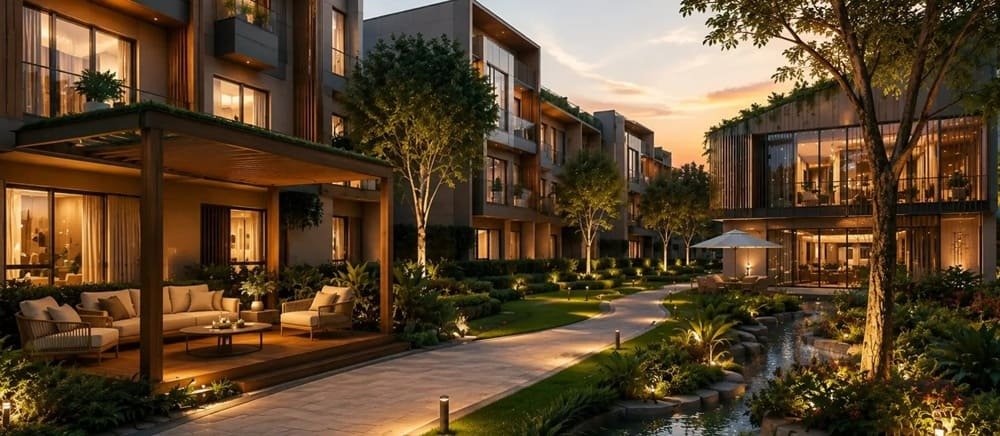
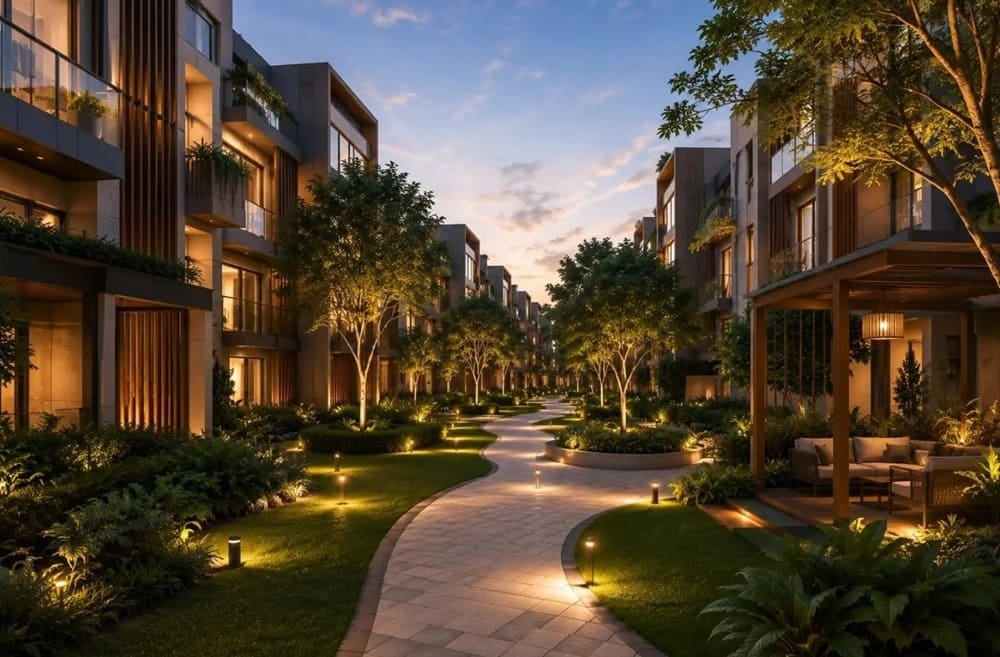
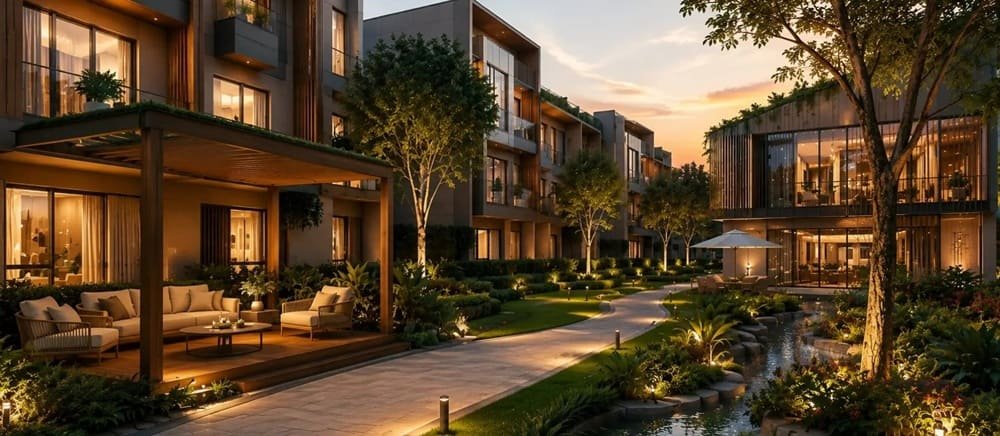
In the case of a residential project, it's not just the house that affects the experience of the community; it's also the surrounding environment. Use open spaces for visual breathing room between buildings and space for landscaping and outdoor use and movement on the site.
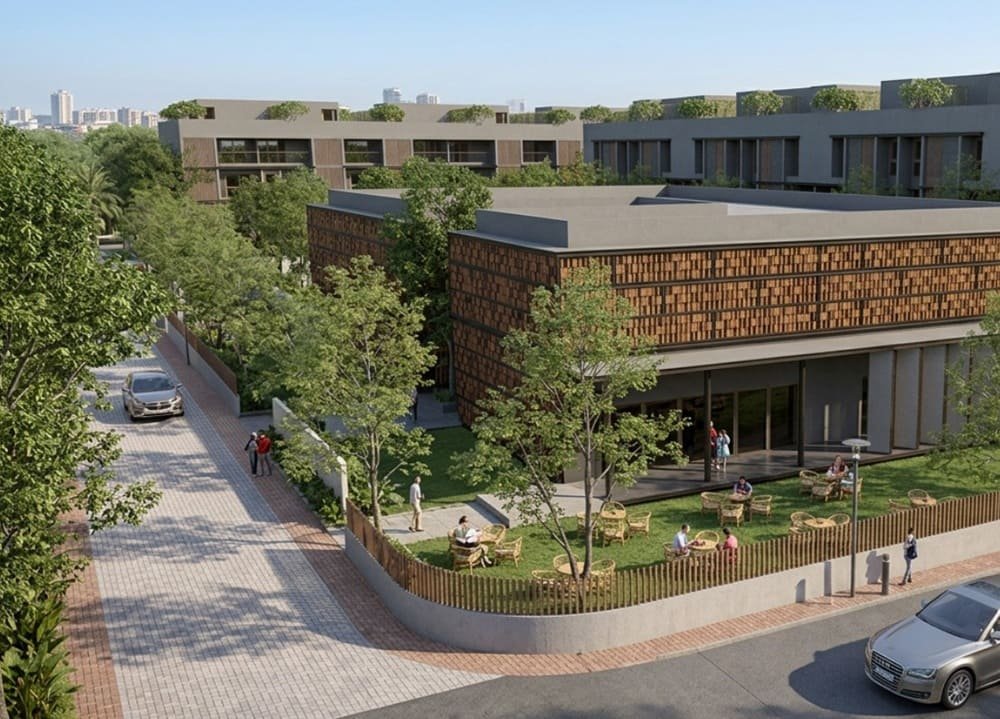
The master plan incorporates all aspects of the project—residential, landscaping, clubhouse and amenity zones—into a unified community.
When looking at a home for purchase, it can be beneficial to take in the bigger picture of the home layout. The location of a house in the development may affect its connection to open spaces, public amenities and the internal circulation.
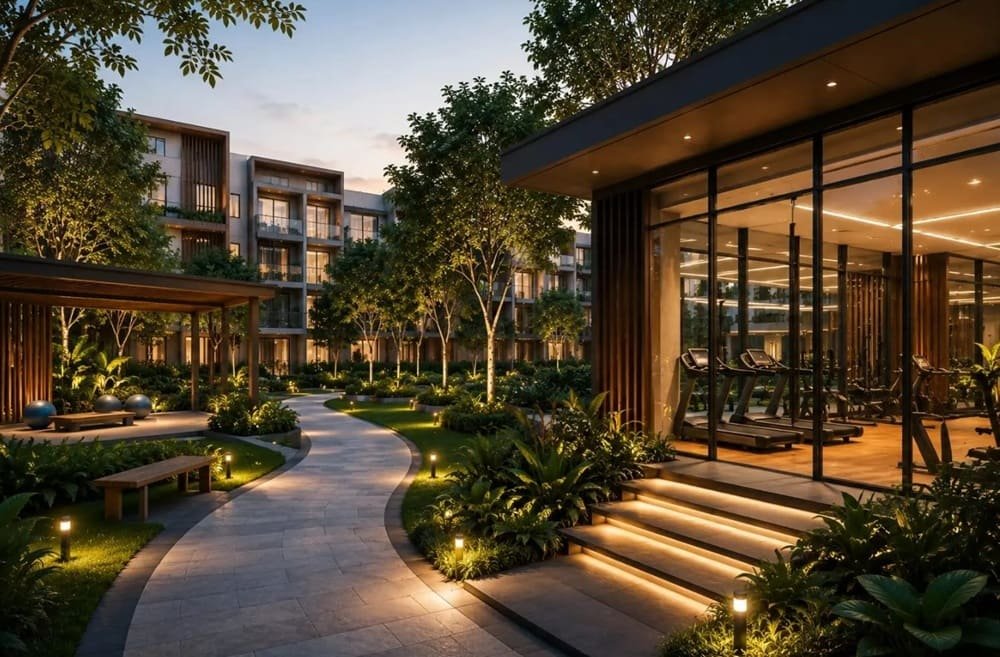
The shared spaces are comprised of an approximately 18,000 sq. ft. clubhouse.
A clubhouse can provide a variety of recreational and fitness activities, meet with neighbours, enjoy community events – and that's just the week! The clubhouse at Assetz Codename Paradise is part of the wider amenity spaces making a specific area beyond the clubhouse.
This can be another level for families when they live in a house. The types of facilities available may be important considerations when assessing a project, as children, adults and older family members may have different preferences in their leisure and recreation activities.
Assetz Codename Paradise has 30+ world class amenities in its residential community.
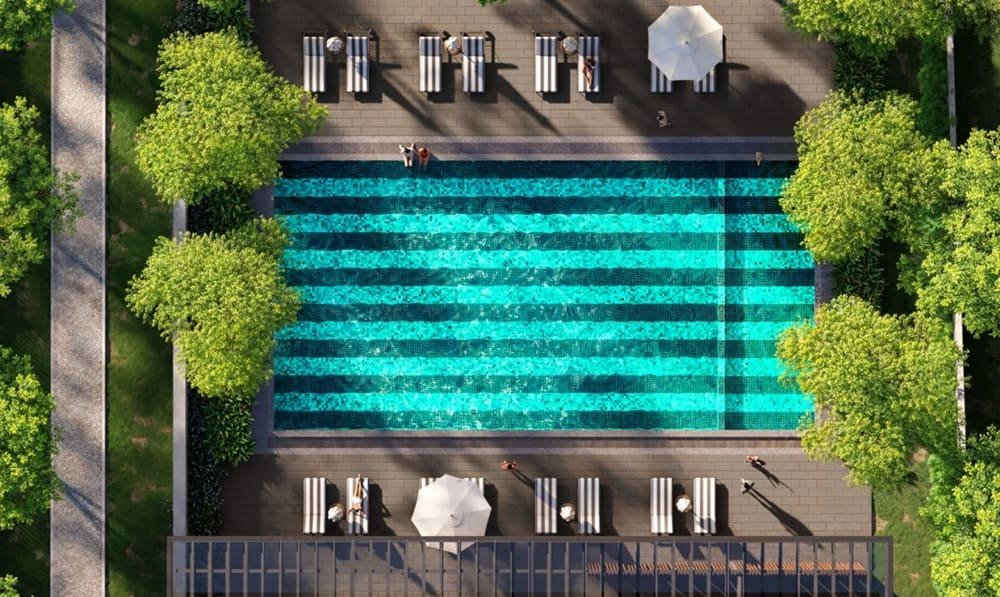
The amenity offering will support various aspects of daily living such as leisure, recreation, social interaction and wellness. Residents can take advantage of specially provisioned community facilities within the project for all recreational activities, rather than having to leave the project to participate in them.
But the value of the amenities will lie in the way they fit into daily life. Purchasers should think about the facilities they will be using the most and the location of the facilities in the project layout.
The clubhouse and open spaces / amenity areas allow the development to also have a wider residential feel, beyond the confines of each home.
Each residence at Assetz Codename Paradise comes with two private car parking spaces.
For those who are buying a bigger 4 BHK apartment, it's sensible to have two vehicles in the building. Parking too becomes a way of life and as such, buyers should take note of the parking plan and flow of vehicles during the development.
The site visit will be helpful to have this information about the location of parking in relation to the residence, and about the internal roads.
Assetz Codename Paradise is located in Chikkagubbi, Hennur Road, Bangalore, placing it within the North Bangalore residential market.
Hennur Road as a whole is now a well-known residential roadway with a variety of neighbourhoods and residential developments for a variety of home buyers. Chikkagubbi is a part of this larger residential environment, and offers an environment for those who are interested in home values outside of some of the more dense residential areas in the city.
The perfect home location is one that will fit the homeowner's daily routine. The evaluation should take into account work commute, schools, health, shopping needs, family needs, and typical travel patterns.
Instead of just seeing the address, prospective residents can see what type of neighbourhood they are coming from and their usual routes to see whether it is right for them and their lifestyle.
The Hennur Road region offers a variety of residential formats, from conventional apartments to larger homes.
Assetz Codename Paradise is positioned within the larger-home segment through its 4 BHK duplex villament format. This makes the project particularly relevant to buyers who are searching specifically for spacious residences rather than smaller apartment configurations.
When considering the residential projects in North Bangalore, one can evaluate the location of the project with the size of houses, layout of the project, community planning and amenities.
With homes ranging from 3,259 sq. ft. to 3,944 sq. ft., buyers have an important decision to make beyond simply choosing a 4 BHK.
The right residence depends on how the available space is distributed and how that arrangement works for a particular household.
When comparing the available options, buyers can consider:
A floor plan might appear large on paper, but be somewhat different in reality when the occupants use it. So it can be one of the most beneficial things to do prior to making a decision is to spend some time familiarizing yourself with the layout.
For buyers comparing Assetz Codename Paradise with other projects, the following core details provide a quick reference:
| Project | Assetz Codename Paradise |
| Developer | Assetz Property |
| Location | Chikkagubbi, Hennur Road, Bangalore |
| Configuration | 4 BHK Duplex Villaments |
| Land Area | 8.2 Acres |
| Total Units | 188 |
| Structure | B+G+4 |
| Home Sizes | 3,259 – 3,944 Sq. Ft. |
| Open Space | 57% |
| Clubhouse | Approximately 18,000 Sq. Ft. |
| Amenities | 30+ World-Class Amenities |
| Parking | 2 Private Car Parking Spaces |
| Possession | December 2031 Onwards |
The possession timeline for Assetz Codename Paradise is December 2031 onwards, making it a project suited to buyers planning their residential requirements over a longer horizon.
When buying a house, the process differs from that of a house that is available now. When buying, buyers should think about how long the property will occupy them, their housing needs and their financial plans, and when they hope to be in their new home.
Given the long-term commitment to the purchase, it is crucial to assess the property thoroughly. The proposed floor plan, size, project layout, open spaces and community facilities should be viewed in the context of the residence being used for the family for many years to come.
Assetz Codename Paradise is targeting a niche segment – buyers interested in purchase of large 4 BHK duplex villaments in a planned community in North Bangalore.
The project features generous housing spaces, ample open spaces, a spacious clubhouse, and a wide range of amenities. Located in Chikkagubbi, Hennur Road, it is in a well-established residential corridor and the duplex layout provides buyers with a choice to the traditional apartment format.
If families are thinking of getting into a bigger house, after looking at the headline numbers, they will need to find out about the specifics of the house they are interested in.
Look at the floor plans, inspect the project layout, and examine the amenity spaces and evaluate the site in relation to your daily needs. This will help you understand if the project is what you would expect when purchasing your next home.
Assetz Codename Paradise is a 8.2 acre community with a spacious residential format, offering 4 BHK duplex villaments in Hennur Road, Bangalore.
Take a look at the options, view the floor plans and learn more about the project. Enquiries may also be made for up-to-date information on the availability of the units, and on other project information.

Swimming Pool

Yoga Room

Kid's Playground

Parking

Security

Clubhouse

Sitting Area

Gymnasium

Park
3259 - 3944 Sq Ft
Immersive Experience
Explore Assetz Codename Paradise from the comfort of your home
▶ Click to Start Virtual Tour

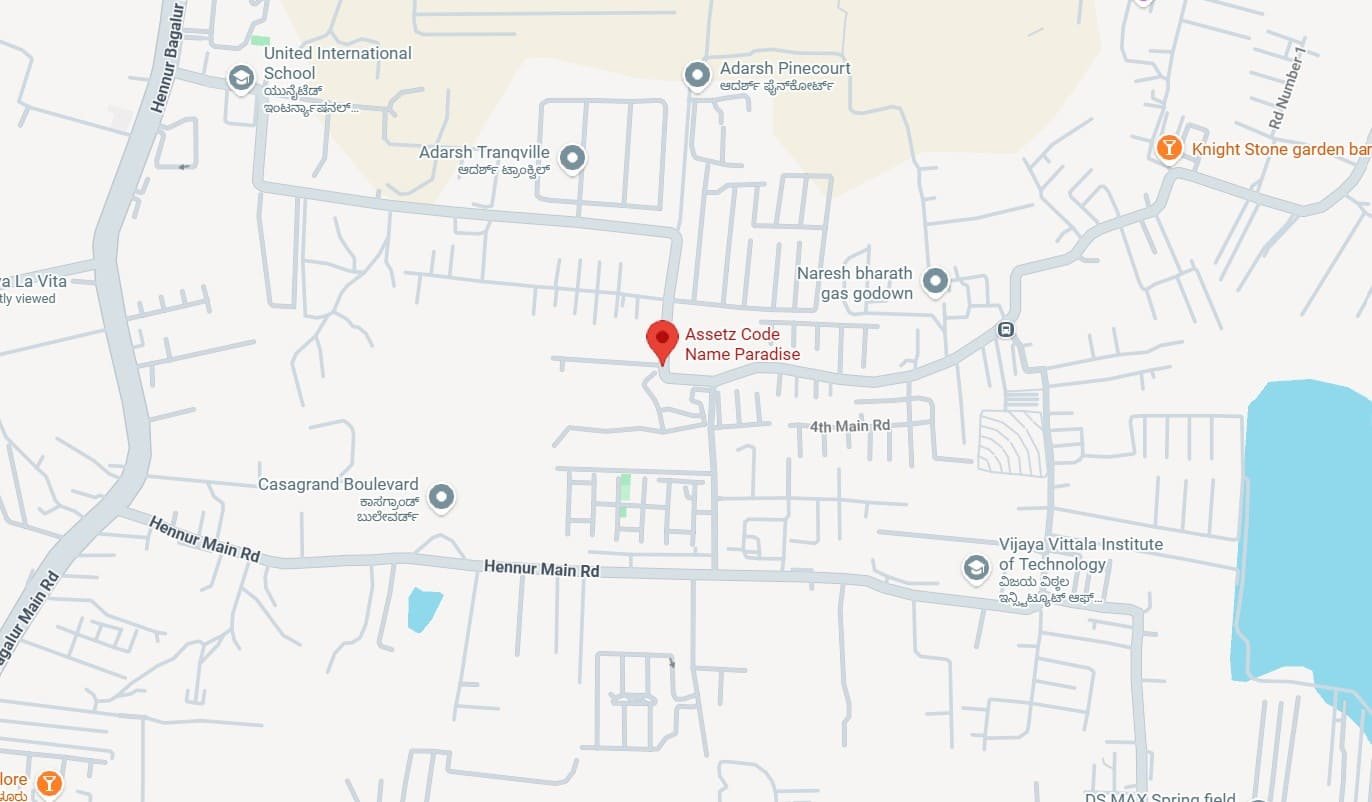
 Manyata Tech Park - 10 km, 20-25 Minutes Hebbal Flyover - 12 km, 25-30 Minutes Outer Ring Road - 11 km, 20-30 Minutes Kirloskar Business Park - 14 km, 30-35 Minutes Kempegowda International Airport - 23 km, 35-45 Minutes Elements Mall - 8 km, 15-20 Minutes Bhartiya City - 9 km, 20 Minutes Bangalore International School - 5 km, 10-15 Minutes Aster CMI Hospital - 12 km, 25-30 Minutes Manipal Hospital Hebbal - 13 km, 25-35 Minutes
OUR GALLERY
Here are some of the frequently asked questions on Assetz Codename Paradise
PROJECT SITE ADDRESS:
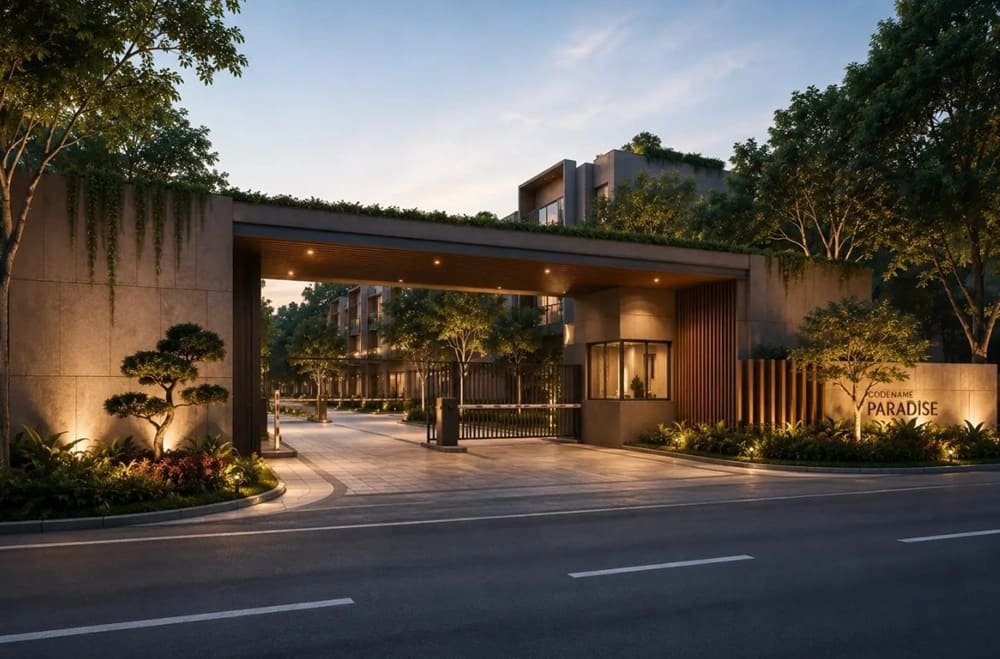
Assetz Codename Paradise, Off Hennur Road, Bangalore
@ 2026 All Rights Reserved | Assetz Codename Paradise
The information on this website is for general informational purposes only and does not constitute an offer, advice, or guarantee for the purchase, booking, sale, or investment in any property. This is not the official website of any developer or project featured on this website. Project details, including prices, specifications, availability, images, amenities, and possession timelines, may change and should be independently verified with the developer and/or applicable RERA authority before making any property-related decision. By submitting an enquiry, you consent to receiving calls, SMS, WhatsApp, and email regarding your enquiry.